
Early access · Release date: May 20, 2026
UpdatedDeep Rock Galactic Rogue Core vs Deep Rock Galactic: Guide
Deep Rock Galactic Rogue Core vs Deep Rock Galactic: compare classes, loot, combat, progression, and current updates before choosing your next co-op game.
Jump to
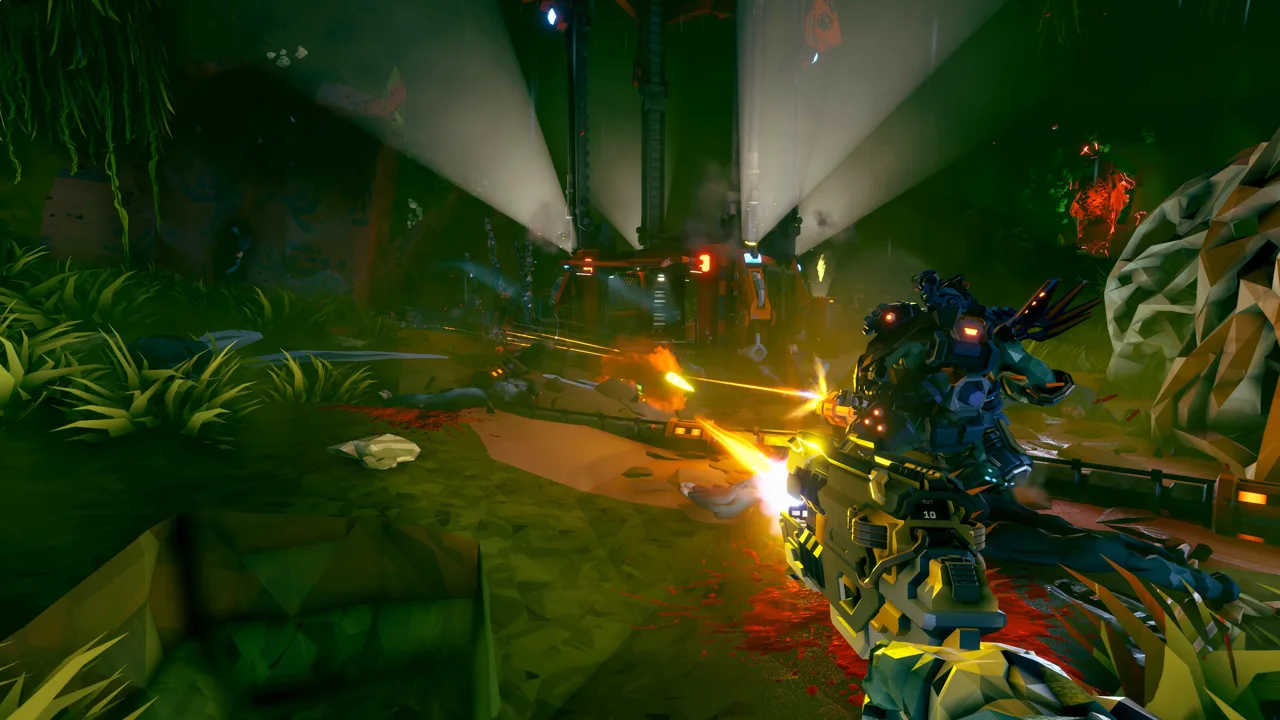
What Is the Difference Between Rogue Core and Deep Rock Galactic?
Your favorite weapon is part of the plan in one game and something you might find underground in the other. The Deep Rock Galactic Rogue Core vs Deep Rock Galactic comparison centers on that shift: prepared mission loadouts versus building your power during a roguelite run. It changes how you explore, divide equipment, and respond when the fighting gets rough.
Rogue Core is a standalone spin-off, with its own classes, progression, and combat systems. You play as a Reclaimer, an elite corporate security specialist investigating mining facilities cut off by the Greyout.
Both games put dwarves into alien caves with teammates, pickaxes, and plenty of things trying to kill them. Their mission structure creates a different rhythm, though.
| Feature | Deep Rock Galactic | Rogue Core |
|---|---|---|
| Equipment | Class-specific loadouts prepared before deployment | Randomized equipment choices collected during runs |
| Build development | Weapon modifications and Overclocks shape your loadout | Expenite upgrades, Artifacts, and equipment shape each run |
| Cave design | Greater emphasis on exploration, traversal, and terrain modification | More linear caves connected through industrial facilities |
| Mission structure | Different objective-based mission types | Descend through facility stages and defeat a Gatekeeper |
| Movement tools | Part of each class’s established toolkit | Selected from randomized equipment options |
| Combat focus | Fighting mixed with mining and objective work | More sustained combat with pressure to keep moving |
Weapons and Classes Work Differently
In the original game, your class and prepared equipment establish what you bring to the team. Rogue Core separates class identity from its weapon pool. Your Reclaimer provides distinctive abilities, while equipment choices develop during the mission.
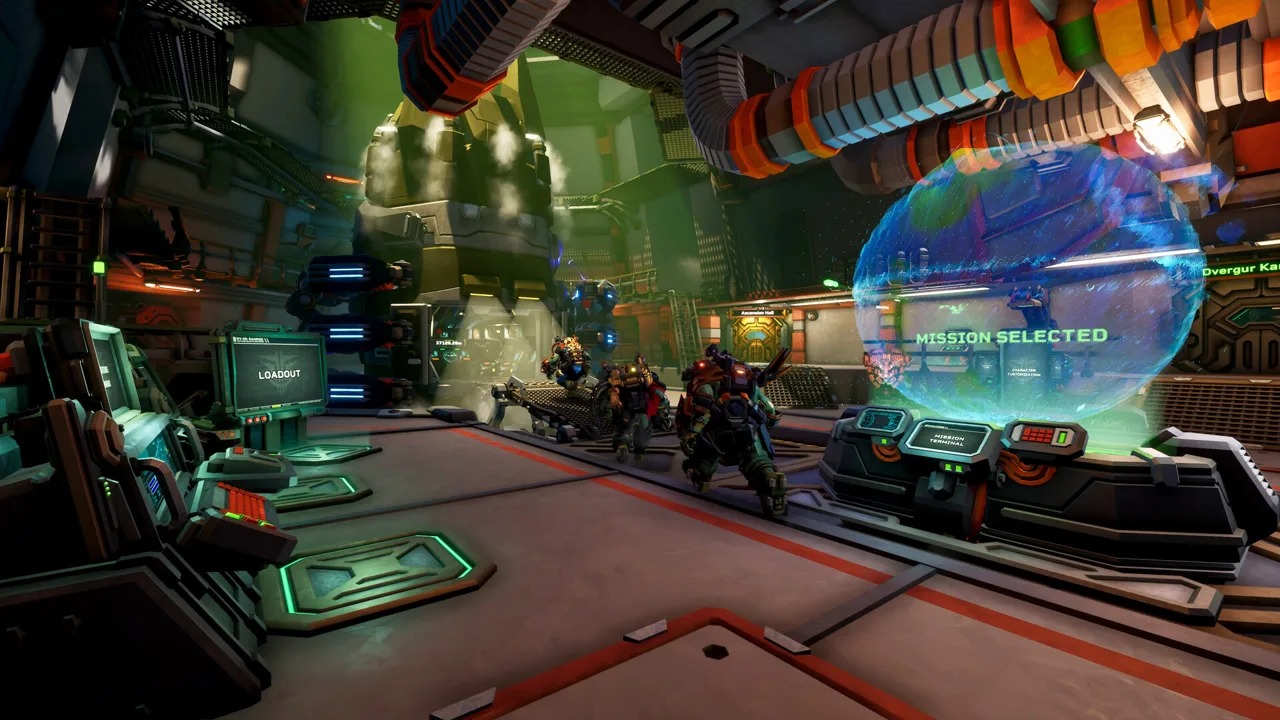 Image: Steam / Ghost Ship Games
You begin with basic equipment and receive starting choices for a weapon, traversal tool, and grenade. The challenge is adapting those choices into a working build as more gear and upgrades appear.
Familiar equipment returns, including the LOK-1 Smart Rifle, Corrosive Sludge Pump, Platform Gun, and Zipline Gun. These tools operate within Rogue Core’s upgrade systems rather than simply reproducing an original-game loadout. Update 3 also added the Ventura Model 57, a pump-action shotgun whose magazine can be topped up between shots.
The five Reclaimers provide different foundations:
- Guardian: Uses concussive attacks and protective abilities to control nearby threats and restore team armor.
- Falconer: Deploys an airborne assault drone that deals electrical damage and can revive teammates remotely.
- Retcon: Returns to a previously recorded position and restores the health and ammunition associated with that point.
- Spotter: Weakens enemies with toxin darts, detects targets through walls, and deploys ammunition.
- Slicer: Uses an energy blade and movement abilities for aggressive melee combat.
Build around the equipment you actually receive. When an electrical weapon or ability becomes central to your damage, look for upgrades that reward electrified targets. When your shotgun needs frequent reloading, examine effects triggered by reloads.
Retcon adds a particularly unusual tactical option: activate the rewind ability before committing ammunition and health to a dangerous attack, then return to the recorded state.
Exploration Still Matters, but the Route Is More Directed
The original game gives traversal and terrain modification a larger role. Navigating a difficult cave is part of the job, and the team’s equipment helps solve those problems.
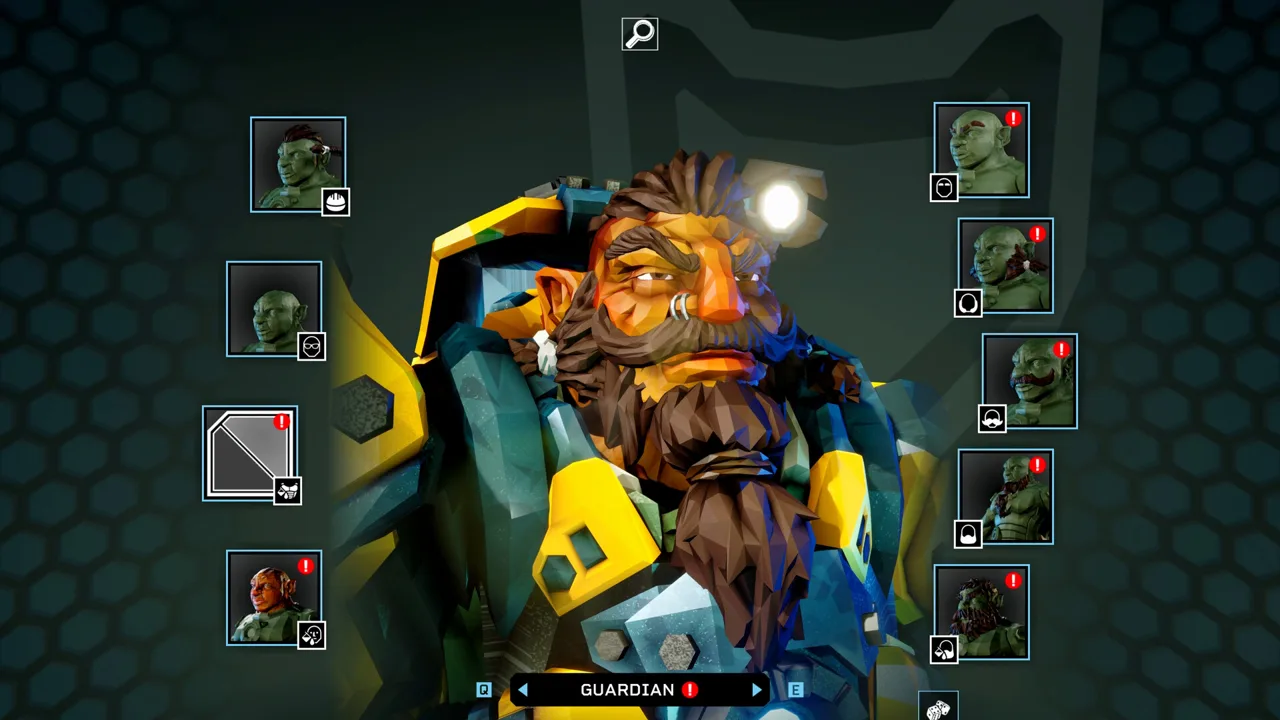 Image: Steam / Ghost Ship Games
Rogue Core keeps mining and destructible terrain, but places more of the action around industrial structures. A cable leads toward the next elevator, giving the squad a clearer route through the facility.
That route still has reasons to leave it. Expenite deposits, equipment, Flux Quartz, and optional events can strengthen your run. Every detour competes with the stage timer.
Follow the cable to maintain your bearings, then judge side trips against your remaining time. Prioritize a resource or event that supports your current build rather than clearing every corner automatically.
Traversal equipment also changes the team’s options from run to run. Update 3 introduced the XQ-2 Quantum Warp Field, which connects two placed generators through teleportation. It also moved the Flare Gun out of the traversal pool and into a breakable glass box at facility entrances. Lighting no longer requires giving up a movement tool.
Elevator objectives have expanded, too. Progressing to the next stage can involve:
- Defending the Elevator Drive Unit.
- Finding missing gears and reinstalling them.
- Destroying Blister Growths blocking the machinery, which provokes a Corespawn response.
The descent still follows a repeated stage structure, but defending the elevator is no longer the only exit objective.
Difficulty and Time Pressure Have Separate Controls
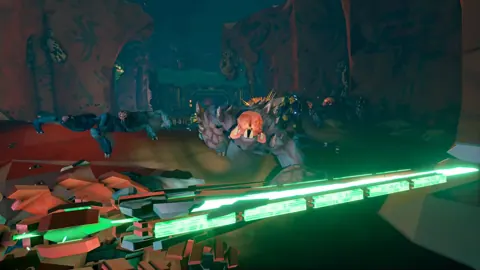
Rogue Core emphasizes combat against Corespawn, with enemies that demand movement, target selection, and attention to weak points. Its timer adds another decision: keep gathering power or leave before pressure escalates.
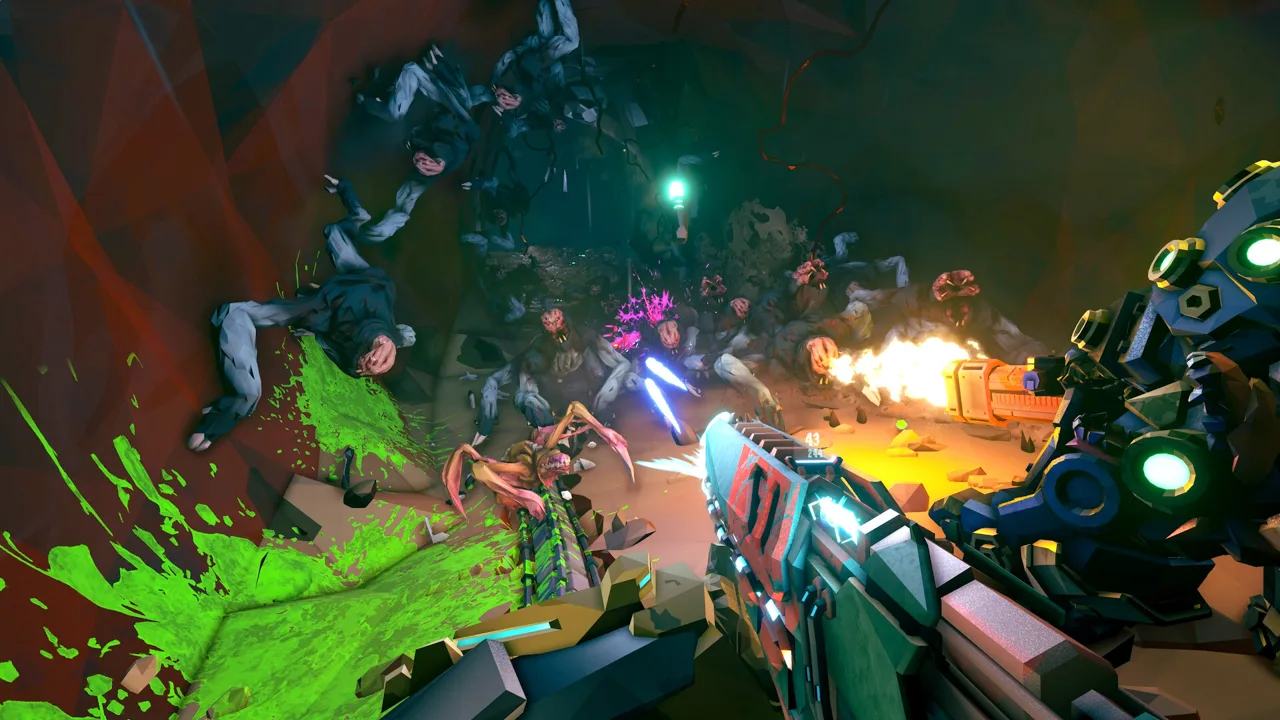 Image: Steam / Ghost Ship Games
Running out of time does not immediately end the mission. It makes remaining in the stage increasingly dangerous.
Two settings now control different parts of that experience:
| Setting | Choices | What it changes |
|---|---|---|
| Assault Pace | Cautious, Standard, Reckless | Time available per stage and mission XP rewards |
| Threat Level | Five levels | Enemy numbers, swarm frequency, health, movement, aggression, and damage |
Depth now controls content progression rather than base difficulty. Update 2 separated those systems, so unlocking deeper facilities does not replace choosing your preferred Threat Level. Threat Levels 4 and 5 also allow stage waves to stack.
Choose Cautious when you want less timer pressure. Adjust Threat Level separately when enemy damage, aggression, or swarm size is the problem.
Survival also depends on managing armor. Rogue Core’s armor does not ordinarily refill by itself; recovery comes through armor supplies, abilities, and relevant upgrades. Health recovery includes Red Sugar and healing effects.
Use armor restoration between engagements instead of relying on a quiet moment to refill your protection. In a Guardian squad, coordinate around the Armor Beacon: the November 11 patch increased its restoration ceiling to 100% armor.
Shared Upgrades and Permanent Progression Shape Each Run
Expenite powers your in-run upgrades. You can mine it from cave deposits, and since Update 3, enemies drop it by default. The Expenite Harvest Alteration changes that arrangement by emphasizing deposits and removing enemy Expenite drops.
That makes combat part of your build economy. Fighting earns experience resources alongside the equipment and upgrade opportunities found through exploration.
The team shares an upgrade draft, with players taking turns selecting options. However, the launch-era version of that system has changed substantially:
- Selected cards are replaced, preserving the number of choices available to subsequent players.
- Every upgrade in a draft has the same rarity, so the draft does not mix premium choices with lower-rarity leftovers.
- Players no longer need to gather physically to begin an available upgrade process.
- Flux Quartz enables rerolls through the Refractor Terminal, available from the second stage onward.
Tell teammates which effects your build needs before selecting. A card that completes someone’s freezing or electrical interaction can matter more than a small improvement to another player’s general damage.
Collect Flux Quartz when the route allows it. You can spend it to reroll Expenite upgrades and Artifacts, or convert it into a small health boost. The stage timer stays paused until the first Reclaimer leaves the elevator, giving the team time to handle rerolls before advancing.
The run’s equipment and upgrades are only one progression layer. Permanent character development carries between missions through systems including Enhancements, Bio-Booster decks, and Ascension.
Update 3 expanded deck options with the classless Prowess deck, built around switching between pickaxe, weapon, and grenades. The Trophy Wall also tracks Gatekeeper victories and awards armor paintjobs and permanent stat boosts.
Boss content has grown alongside those systems. Update 3 added the fourth Gatekeeper, Balgorath, whose patterned ranged attacks require movement and careful firing opportunities. Its projectiles can block your shots, so reposition for an opening rather than firing continuously into the barrage.
Solo Play, Platforms, and Buying Rogue Core
Rogue Core supports solo play and online squads of up to four. It is a separate purchase, and owning the original game is unnecessary to play it.
The practical release details are:
- Early Access launched May 20, 2026.
- The current platform is Windows through Steam.
- Full controller support is included.
- Solo Save & Quit arrived in the November 11 patch.
For solo runs, Save & Quit lets you leave and resume later. The resume screen also offers Claim And Abort if you would rather end the mission and collect its rewards.
Multiplayer has a different safeguard. Since Update 3, losing the host can move the remaining team to a new host and restart the current stage. A host loss during the first stage returns the group to the Ramrod with the mission selected. Recovery can also offer continuing solo or claiming earned rewards and ending the run.
Console development is outside the current Early Access priority; the focus is the Steam version and its eventual 1.0 release.
If you already own Deep Rock Galactic, open the two-game Steam bundle before purchasing. The ownership discount applies through the bundle purchase rather than the standalone product. Use the Rogue Core Steam page to find the game and its bundle options.
Continue with
 Deep Rock Galactic Rogue Core Guide: Builds and SurvivalUse this Deep Rock Galactic Rogue Core guide to choose a Reclaimer, build upgrade synergies, manage the timer, and unlock deeper missions with your squad.
Continue exploring

Deep Rock Galactic Rogue Core Crossplay: Can You Play?
Deep Rock Galactic Rogue Core crossplay explained: explore Steam co-op, console availability, and the multiplayer updates that keep your squad together.
Deep Rock Galactic Rogue Core Solo: Tips for Better Runs
Deep Rock Galactic Rogue Core solo guide covering Cooper commands, Assault Pace, builds, upgrades, and Save & Quit. Make your next descent more manageable.
Join the community
Official channels for news, updates and player help: